
Military and Government Travel Wellness: Why Field Readiness Starts Before Departure
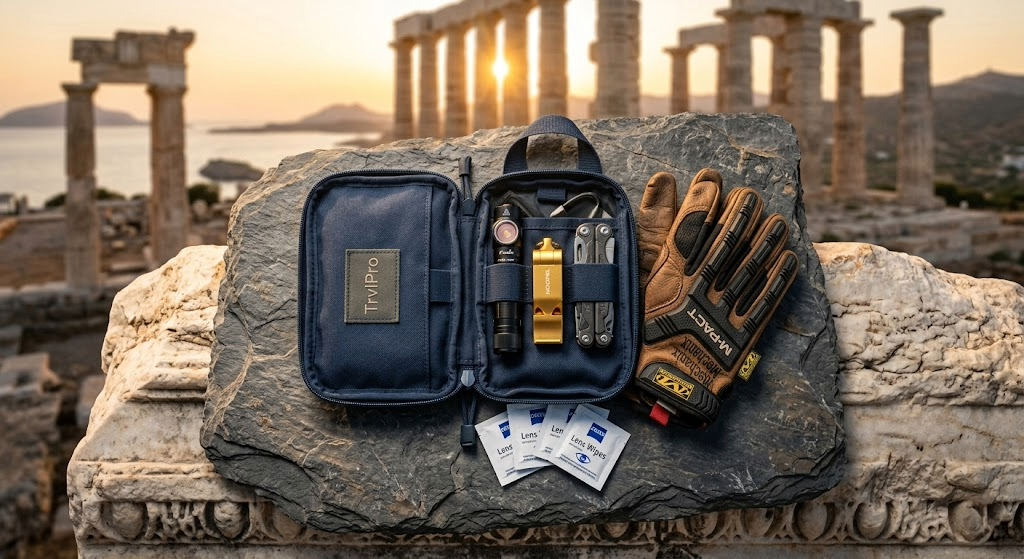
Military and government travel operates under a fundamentally different set of constraints than corporate or leisure travel. The destinations are often operationally demanding. The schedules are compressed. The physical requirements are higher. And the margin for arriving depleted — for being anything less than fully functional at the destination — is narrower than in almost […]
Why Group Travel and Event Organizers Are Missing the Most Memorable Touchpoint

The Wellness Gap in Group Travel and Events Group travel — corporate retreats, conference delegations, incentive trips, sports travel, alumni tours — involves a predictable and largely preventable set of physical challenges. Attendees travel from different time zones. They arrive dehydrated, sleep-disrupted, and immunologically stressed. They then spend full days in environments — conference centers, […]
The Yacht Charter Guest Experience Gap (And How Wellness Kits Close It)
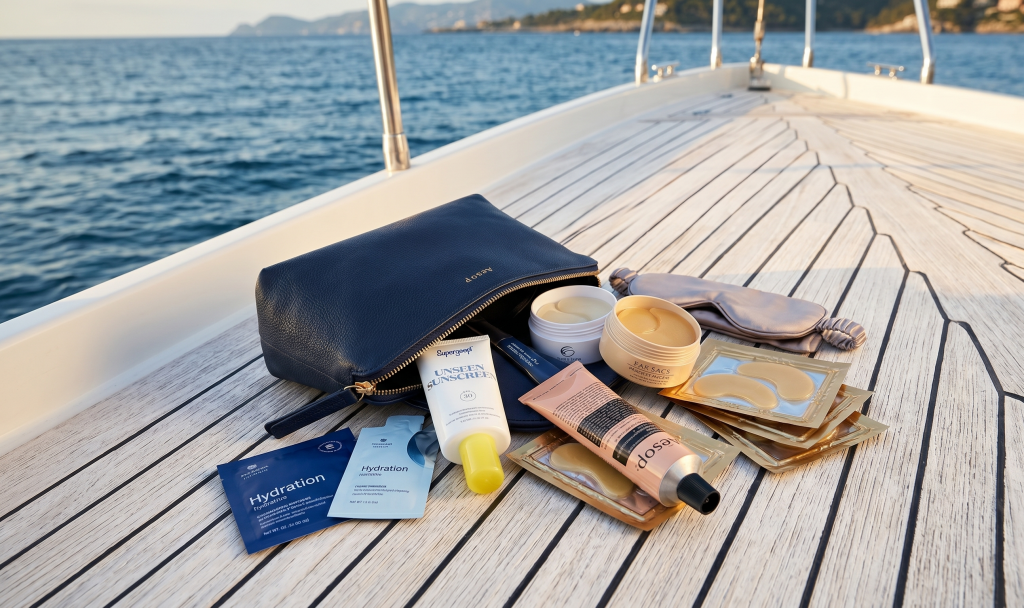
A day on the water is one of the most physically demanding luxury experiences available. Sun exposure runs two to three times higher than on land, reflected off the surface of the water at angles that standard sunscreen application rarely accounts for. Salt air accelerates dehydration at a rate that catches most guests off guard. […]
Why Private Aviation Clients Deserve More Than a Bottle of Water and a Mint

Private aviation is a premium product. The aircraft is premium. The terminal experience is premium. The crew is trained to premium standards. And then the client lands, walks off the aircraft, and — if they’re lucky — finds a bottle of water and a bowl of mints waiting for them. That disconnect between the quality […]
How Frequent Business Travel Is Quietly Destroying Executive Performance (And What to Do About It)
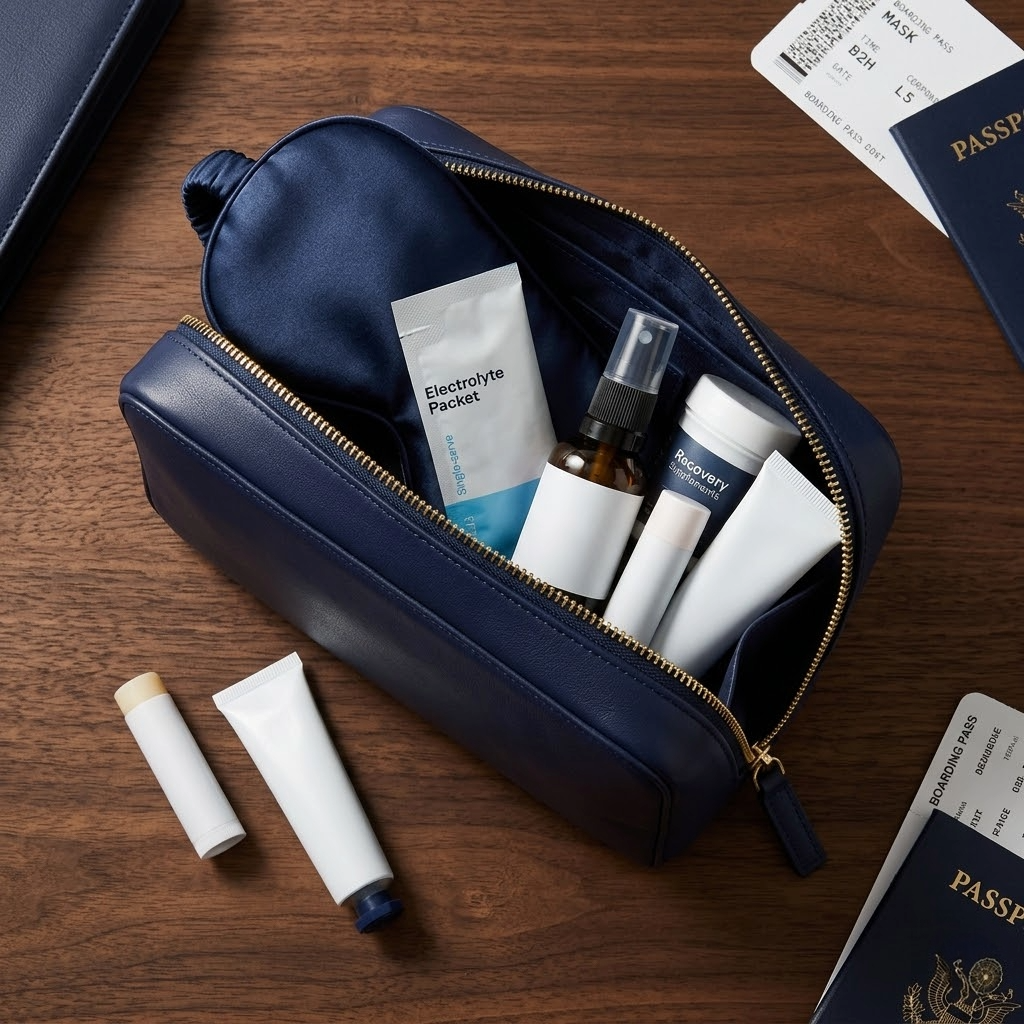
You landed at 6:47am. The client meeting starts at 9. You slept three hours on the plane, your mouth tastes like recycled air, and somewhere between the gate and baggage claim you developed the kind of headache that lives behind your left eye. This is not a bad travel day. This is a typical one. […]
The Executive Travel Essentials Checklist for 2026
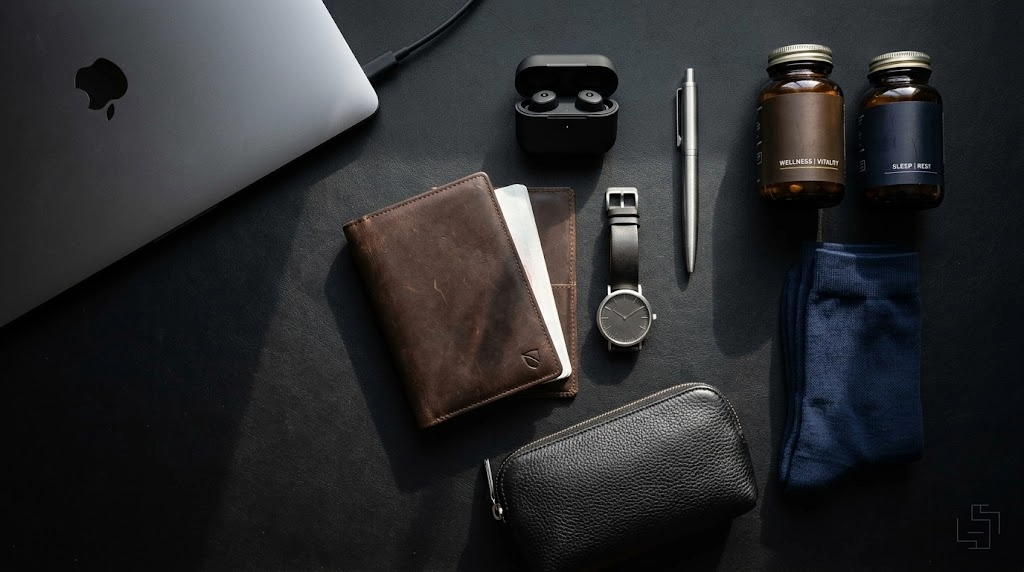
There is a particular kind of clarity that comes from being completely prepared. The executive who boards a flight knowing that every essential is accounted for — health, hygiene, documents, technology, recovery — carries themselves differently. They are present, focused, and ready. Not because the trip is easy, but because they have removed every avoidable […]
The Ultimate Corporate Travel Wellness Kit Guide for 2026

Business travel has never been more demanding — or more consequential. In an era where a single high-stakes meeting can define a quarter, the difference between arriving sharp and arriving depleted is no longer a matter of comfort. It is a competitive advantage. Yet most corporate travelers still cobble together their wellness essentials at overpriced […]
Border Friction: New U.S. Entry Protocols for FIFA 2026
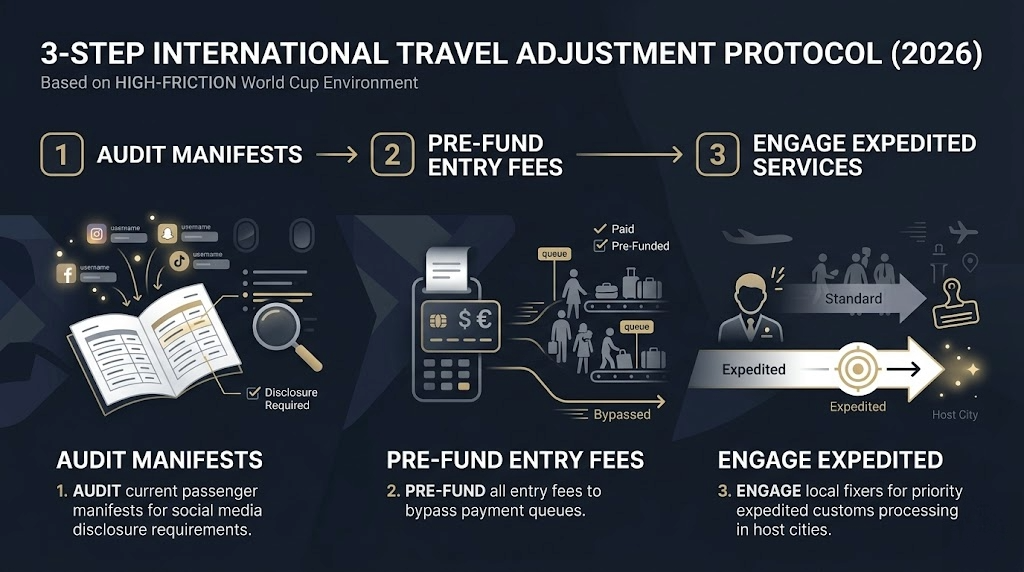
As the U.S. readies for the influx of summer events, including the 2026 FIFA World Cup, a significant shift in entry requirements has emerged. New social media vetting procedures and adjusted entry fees create a high-friction environment for international arrivals. THE SIGNAL: The US State Department is signaling stricter entry requirements, including potential visa […]
The Impact of Global Trade on Business Travel Patterns

In the increasingly interconnected world of commerce, global trade dynamics play a vital role in shaping business travel patterns. As companies expand their approach beyond borders, the need for efficient corporate travel management becomes more pronounced. At TrvlPro, we understand that navigating these complexities is essential for businesses to thrive in the modern workplace. By […]
Traveling with Purpose: How PathoSpy Transforms Your Travel Experience

In today’s fast-paced world, the way we travel has evolved significantly. At TrvlPro, we recognize that efficient travel is crucial, which is why we emphasize the importance of PathoSpy, an innovative travel app designed to enhance your travel health and overall experience. By combining convenience, valuable information, and essential support, PathoSpy enables you to travel […]